Issue #2 · November 2026
The Luxury of Thanks
One cup. One note. One thank-you at a time.
Hi, it's Alex. Welcome back to The Ataria.
A few weeks ago, a note made me cry.
Not sad tears. The good kind, the ones that sneak up on you at the kitchen counter. It was from someone I'd helped a while back. She wrote that I inspire her, that she wants to see me succeed, and that because I'd helped her so much, she knew I'd help others too.
I read it three times. Then I put the kettle on, because some feelings call for tea.

November has always felt like the right month for this. I love the crisp air, the trees turning and the cozy evenings with family and friends around a table. It's the season that slows us down just enough to notice who has been there all along. Even by the ocean, where the leaves are shy about changing, the light softens and the evenings stretch out, and it all seems to whisper the same thing. Look around. Say thank you.
That note is why this issue exists. Last month we talked about the luxury of less. This month is about the one thing worth having more of. Thanks.
The thank-you gap
Here's what surprised me. Most of us are terrible at predicting how much a thank-you will mean to the person who gets it.
In 2018, Amit Kumar and Nicholas Epley ran four experiments on exactly this. People wrote short letters of gratitude to someone who had made a difference in their lives, then guessed how that person would feel reading it. Then the researchers asked the recipients.
The writers got it wrong in the same direction every time. They underestimated how happy the recipients would be, and they overestimated how awkward it would feel. Recipients were especially surprised by why they were being thanked. The person on the other end often has no idea what they meant to you.
Here's the part that stuck with me. The writers worried about saying it well. The recipients cared far more that it was said, and they rated the writers as warmer and more capable than the writers expected.
So if you've been sitting on a thank-you because you can't find the perfect words, this is your sign. Imperfect is still a gift.
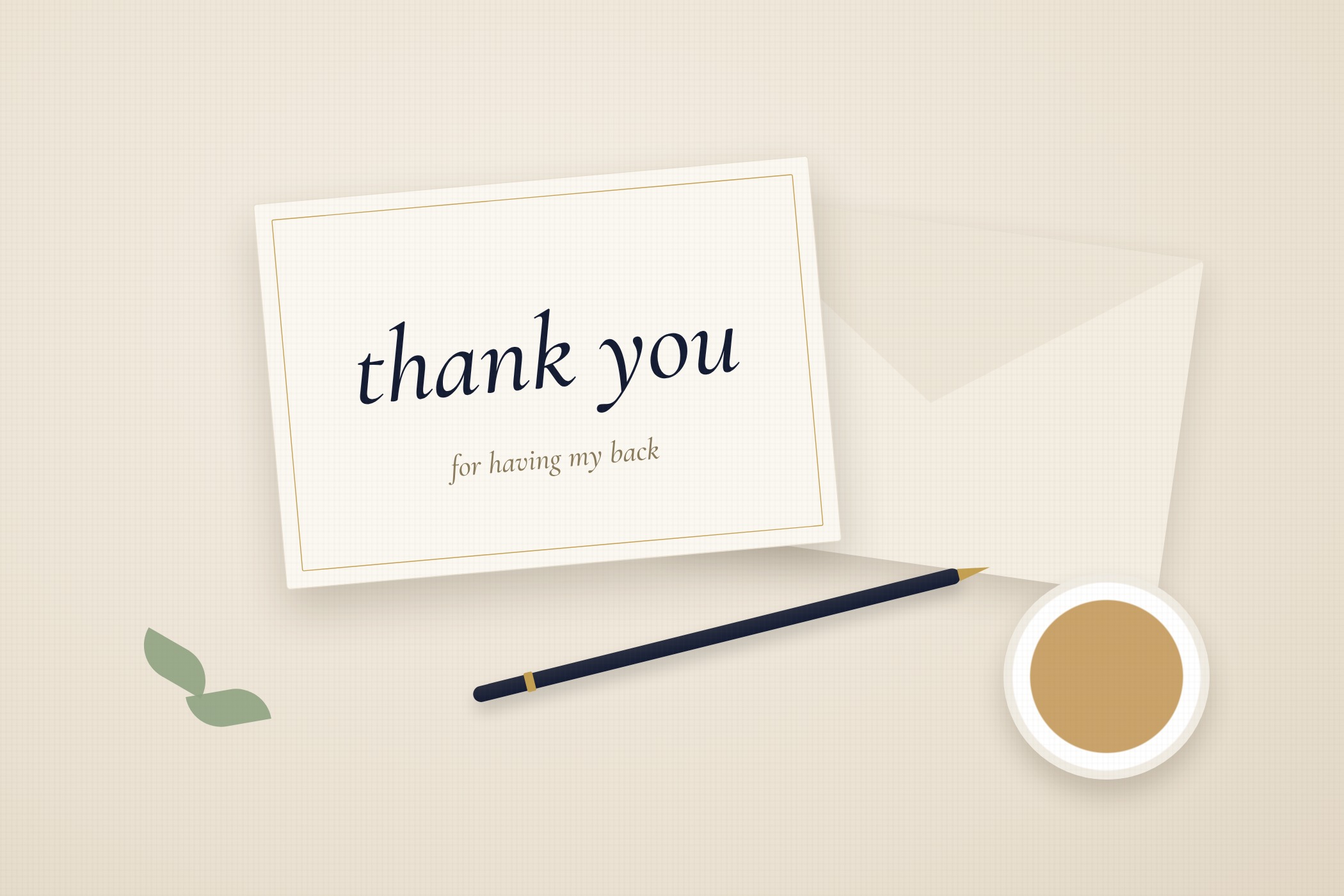
One letter, one month
There's a reason a single letter carries so much weight.
In 2005, Martin Seligman, often called the father of positive psychology, tested five different happiness exercises. The winner was the gratitude visit. Write a letter to someone who changed your life and deliver it, ideally in person. Of everything tested, it gave the biggest boost to happiness one month later.
The effect faded by around six months, which is why some researchers suggest repeating it every season or so. I like that. Gratitude isn't a one-time event. It's a practice, like the gym.
If I wrote one this month, I know exactly who it would go to. My aunt and uncle helped raise me. Their guidance and support shaped so much of who I am, and I'm forever grateful. Some thanks are too big for a text. They deserve paper.
A little, every day
The big gestures matter, but the small daily ones are where gratitude becomes part of who you are.
In 2003, psychologists Robert Emmons and Michael McCullough asked nearly 200 college students to keep a short weekly journal for ten weeks. One group wrote about things they were grateful for, another about hassles, and a third about ordinary events. By the end, the gratitude group felt more optimistic about the week ahead, reported fewer physical complaints and spent more time exercising than the other groups.
Funny enough, their day-to-day mood didn't change much. What changed was how they saw their lives overall. That feels true to me. Gratitude doesn't make every day bright. It changes the lens you look through.
My own practice is simple. I journal, and I take a few mindful minutes of gratitude when I wake up and again before bed, usually with music playing. Some days the music wins and it turns into a full dancing gratitude session in my living room, which I highly recommend. It's hard to feel anything but thankful mid-dance. Once a week, I text friends and family just to check in and make sure they know they're appreciated. None of it takes long. All of it adds up.
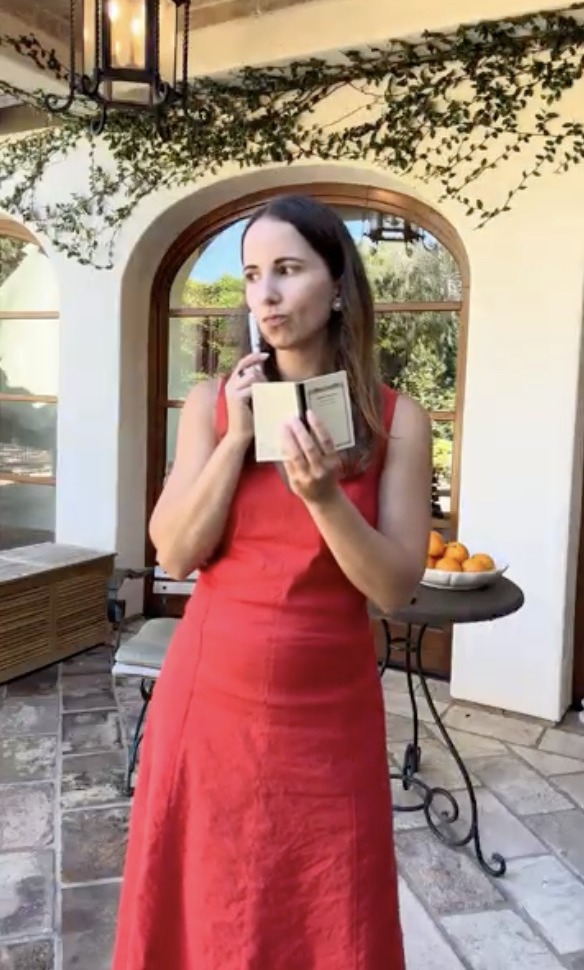
Tea time, poured high
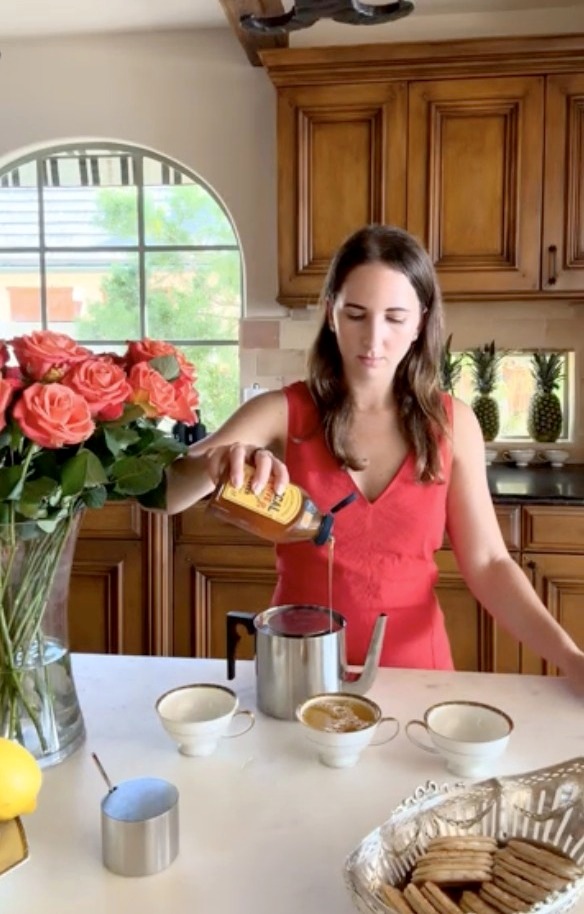
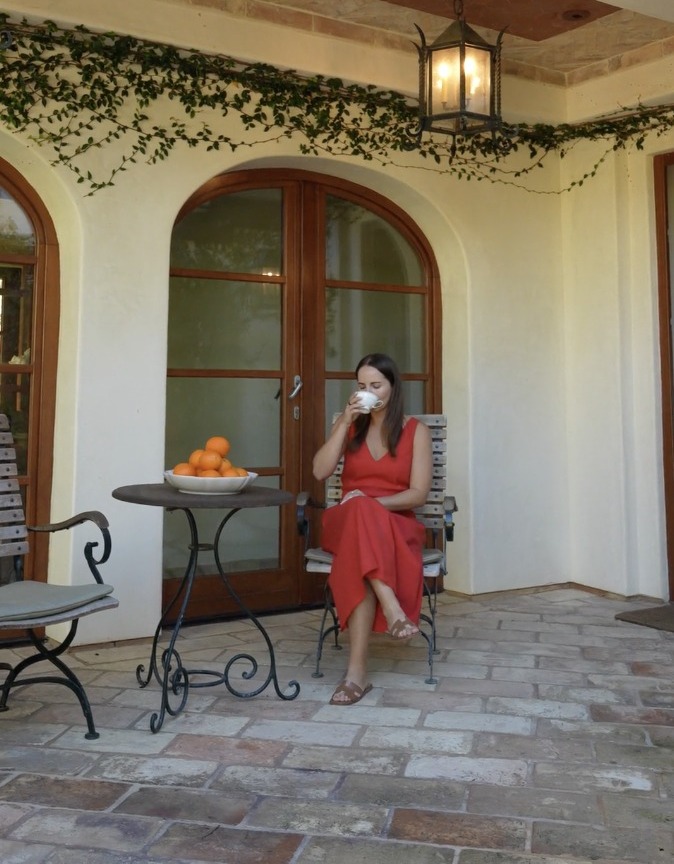
Most afternoons I stop for tea time. Usually Earl Grey, mint or jasmine, sometimes with a little honey. Lately my go-to is Art of Tea's jasmine. It's soft, floral and calming, perfect for slowing down in the afternoon. Jasmine tea is traditionally made by layering tea leaves with fresh jasmine blossoms so the leaves soak up their scent.
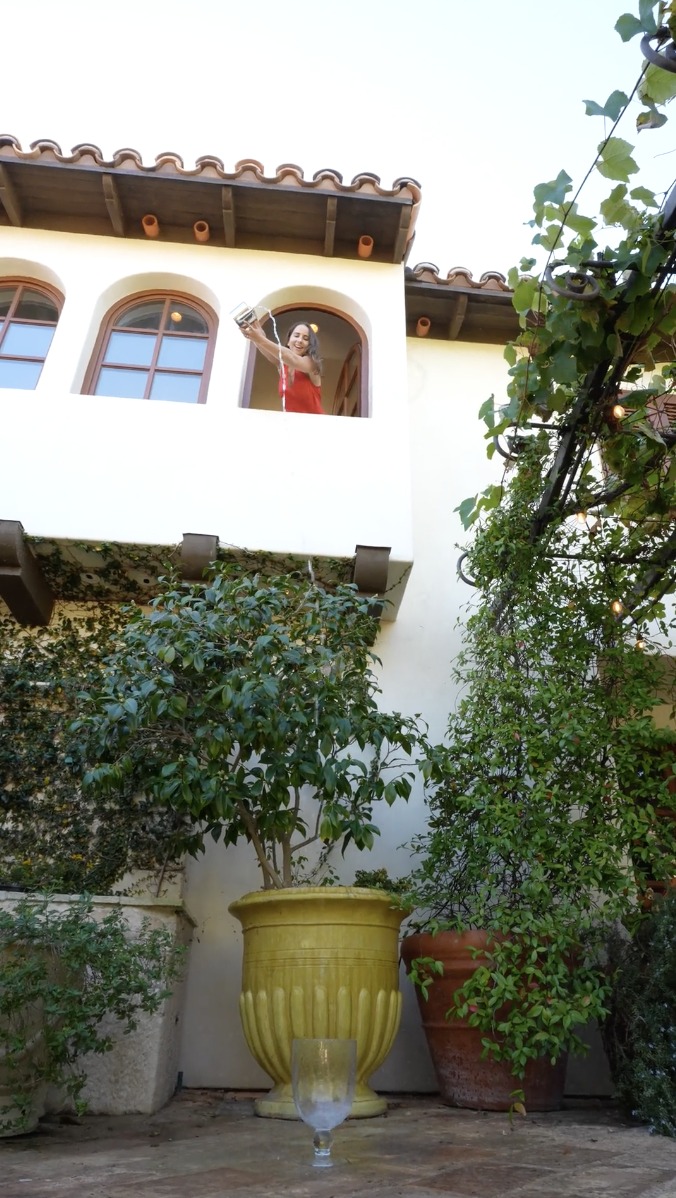
And I have a ritual. I see how high I can pour it.
It started as a game, but it turns out I'm in good company. In Morocco, mint tea is traditionally poured from a height to aerate it and raise a light foam on top, and it's served as a gesture of welcome. Pouring tea for someone has always been a way of saying thank you without words.
That's the quiet idea behind this issue. The most luxurious things are often the smallest. A pause. A cup. A few honest sentences to someone who matters.
This month's gateways
Travel. Ojai Valley Inn, Ojai, CA. Tucked into a quiet valley north of Los Angeles, Ojai is known for its "pink moment," when the sun sets and the Topatopa Mountains glow a soft rose-gold. Crisp November mornings, long walks and nowhere to rush. A beautiful place to slow down and count what you're grateful for.

Homes. The tea tray. One pot, two cups, a jar of honey and a small stack of notecards. Set it beside your one-chair corner from last month, and your thinking spot becomes your thanking spot.
Goods. Cotton notecards from Crane & Co. Heavy, soft cotton paper, the kind people keep in a drawer for years. A thank-you lands differently when it's something you can hold. Pair them with a pen you love writing with.
Calm and radiance. A gratitude playlist. Pick five songs that make you feel thankful and play them during your morning or evening gratitude moment. Music turns a habit into a ritual.
The thank-you tea
Once this month, make a pot of tea and write one thank-you note.
- Brew your favorite tea. Pour it as high as you dare.
- Write to someone who shaped you, and tell them exactly why. Don't edit for perfect.
- Mail it, send it or hand it over in person.
One cup, one note, one person. Then notice how you feel.
See you next month
The Ataria will keep taking us into travel, homes and things worth your time and money. But this month, the richest thing I can offer is a reminder. Somewhere out there is someone who would light up hearing from you.
To my aunt and uncle, to the friend whose note made me cry, and to you for reading, thank you.
One cup. One note. One thank-you at a time.
See you next month,
Alex
Share this with a friend. That's how The Ataria grows, one gateway at a time.